

Digital Fire Door IDs: A Smarter Way to Manage Fire Door Information
Fire door compliance shouldn’t depend on scattered paperwork and outdated records. With Digital Fire Door IDs, key information such as specifications, inspections, maintenance history and supporting documentation can stay connected to each individual door — giving building managers a clearer, more traceable way to manage fire safety.

How Fire Doors Help Protect Vulnerable Residents During a Fire
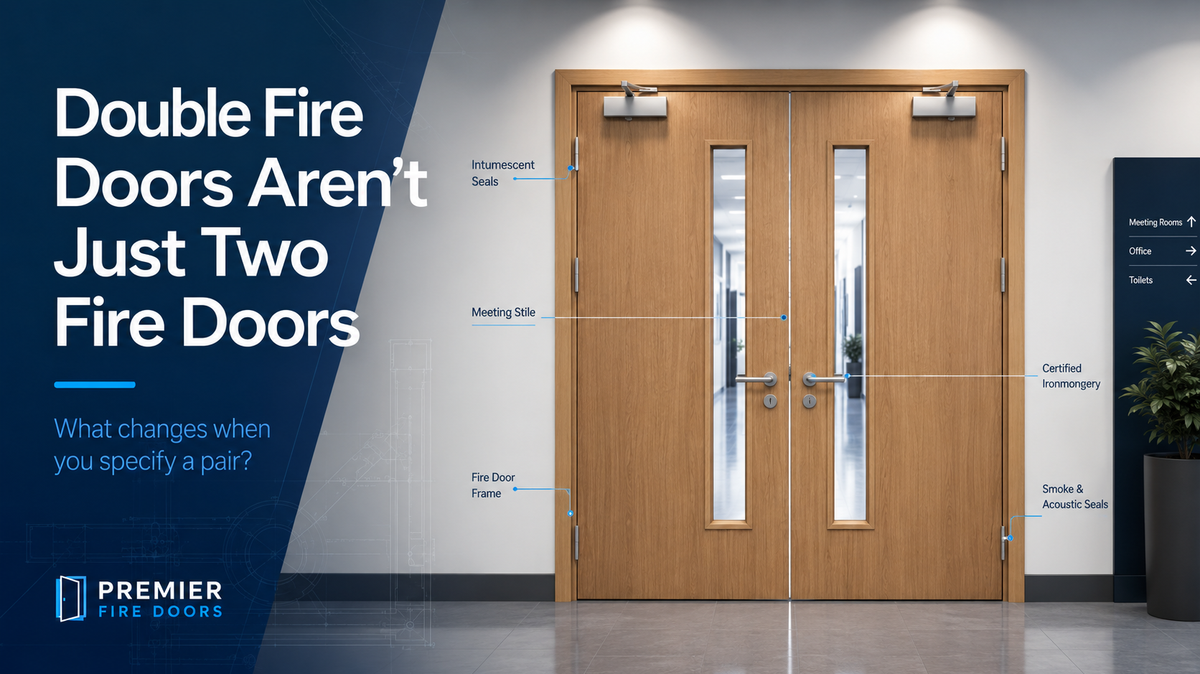
Double Fire Doors Aren’t Just Two Fire Doors: What Changes When You Specify a Pair?
The Common-Sense Approach to Fire Safety
A fire door is not just a door—it is part of a life-safety system. If you don’t understand why it is there, you cannot properly assess whether it is doing its job.

Need Fire Separation Without Losing the Light? Meet Our Fire-Rated Timber Screens
Need fire separation without losing natural light? Explore bespoke FD30 and FD60 fire-rated timber screens with fire-rated, acoustic and insulated glazing options.
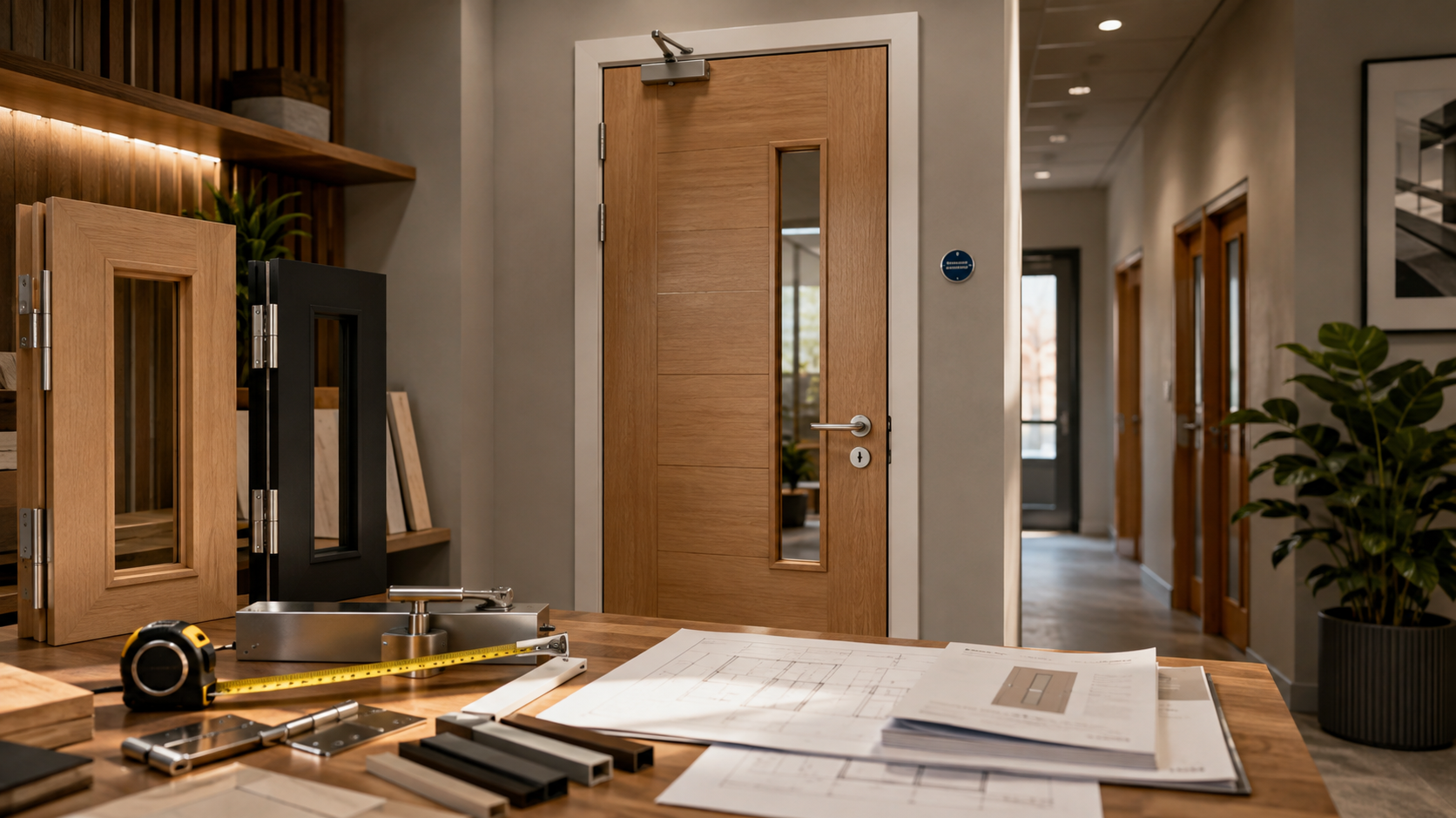
Fire Door Cost in the UK: Leaf, Frame, Hardware and Fitting
|
This guide explains what UK fire doors really cost once you include the full certified system, not just the leaf price. It covers FD30 and FD60 doors, frames, seals, ironmongery, glazing, delivery, and typical fitting rates. Learn which factors drive prices, where cutting corners risks compliance, and how to budget realistic per-door costs for your project. |
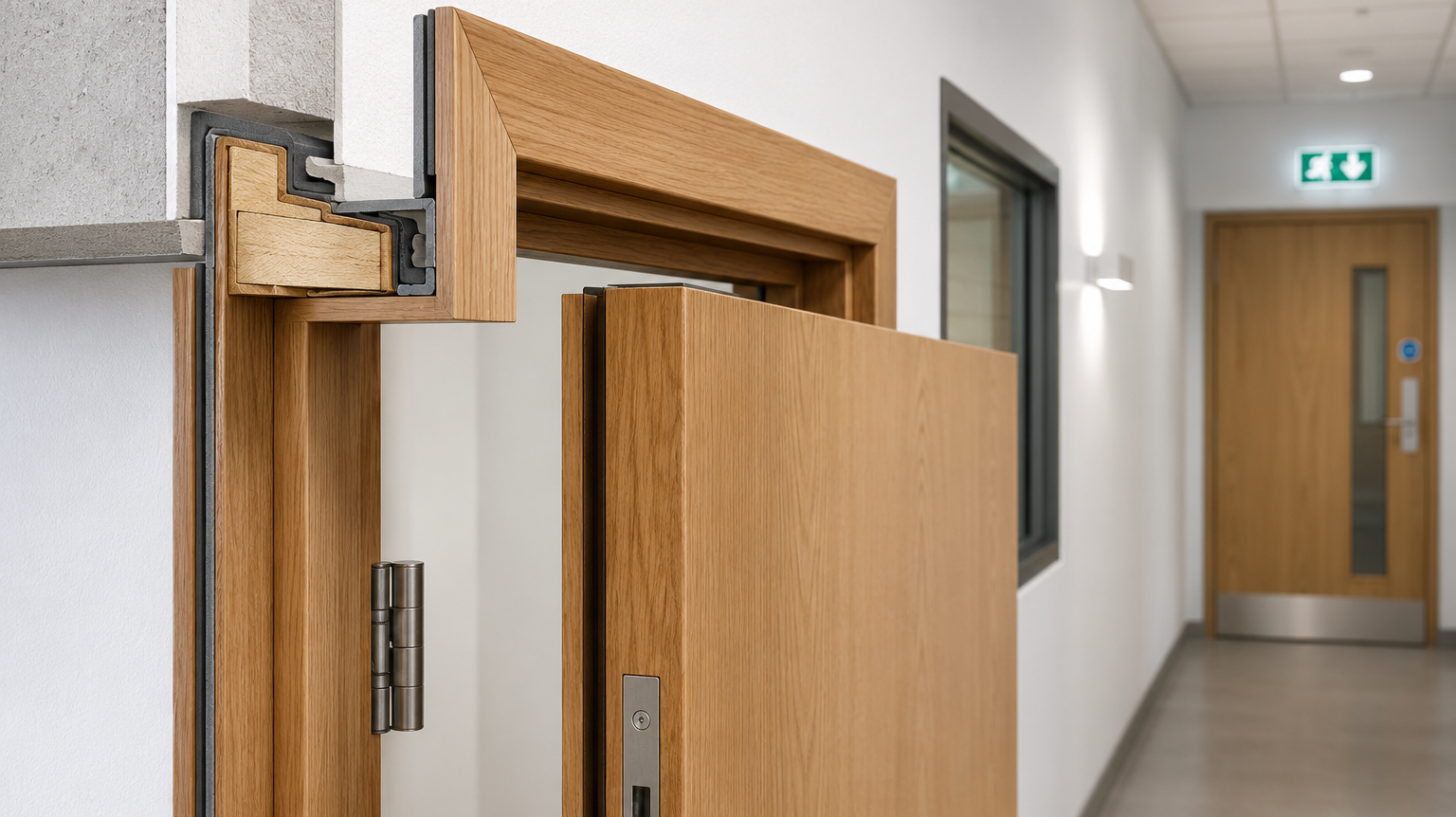
Why Fire Door Frames Matter Just as Much as the Door
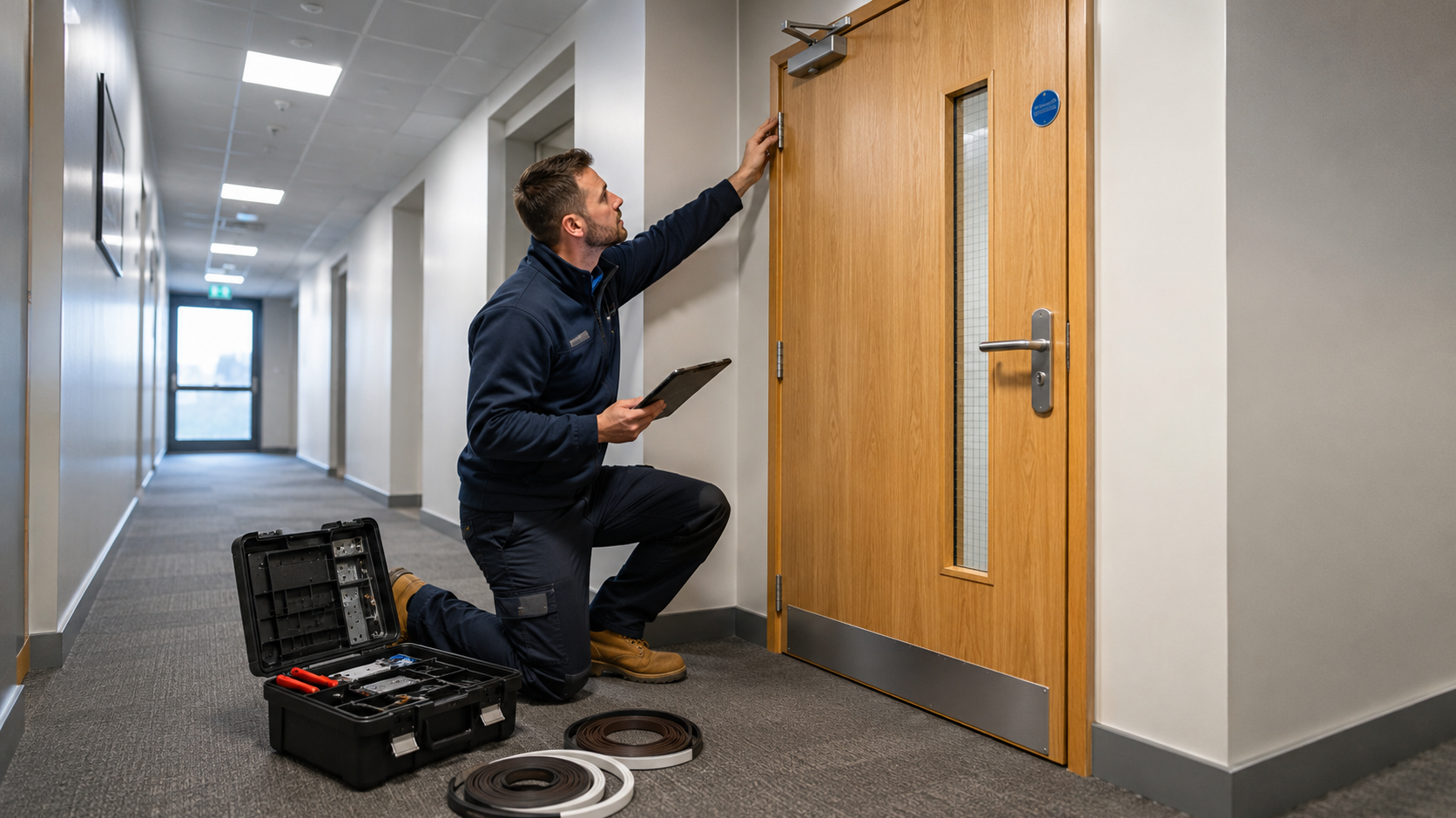
Can a Fire Door Be Repaired, or Does It Need Replacing?
A damaged fire door does not always need replacing—but not every defect can be safely repaired. Discover which problems may be repairable, when replacement is the better option and why every decision must consider the complete certified fire door assembly.
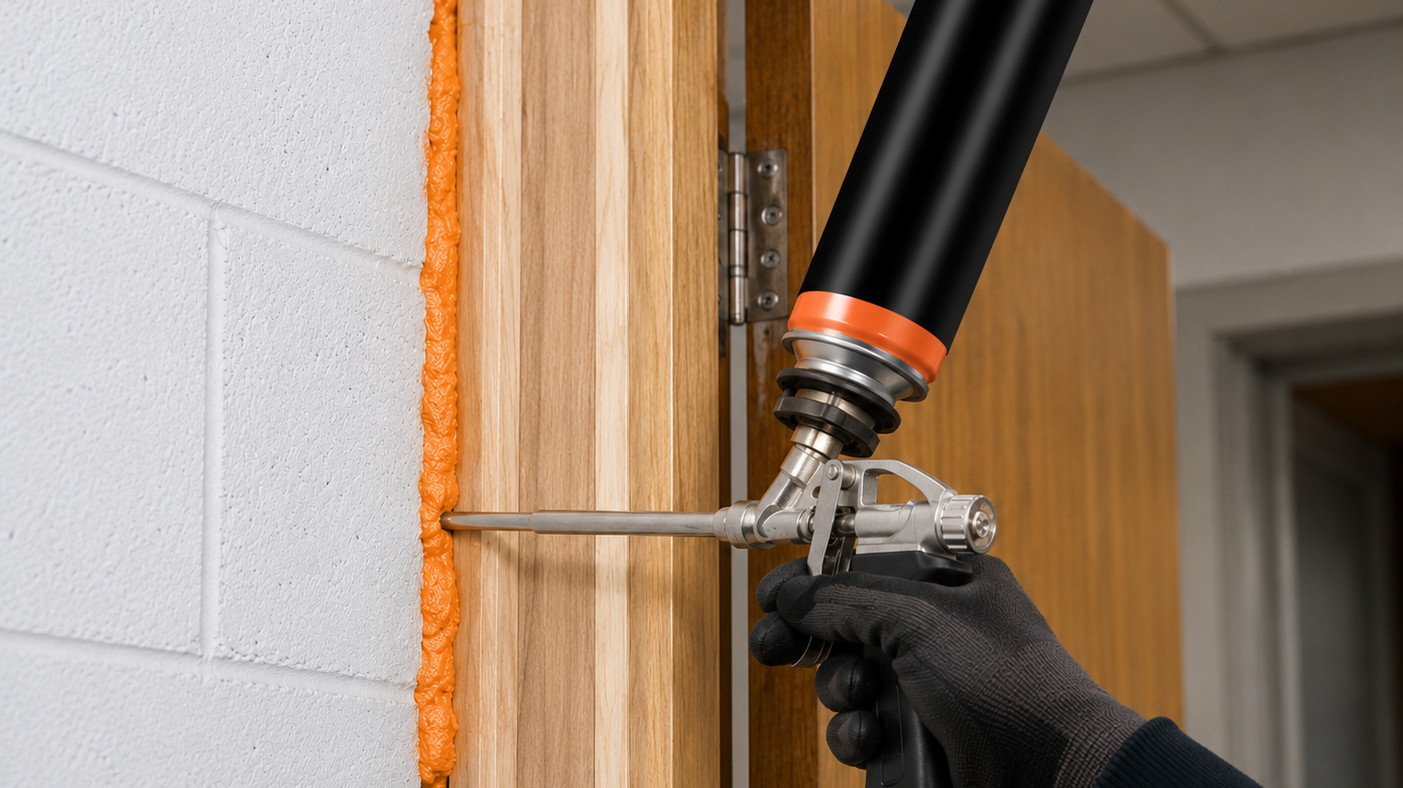
Why Fire Door Foam Matters More Than You Think
Even the best fire door can fail if the perimeter gap is sealed incorrectly. Discover why using fire-tested foam is an essential part of a compliant fire door installation and how it helps maintain fire performance where it matters most.
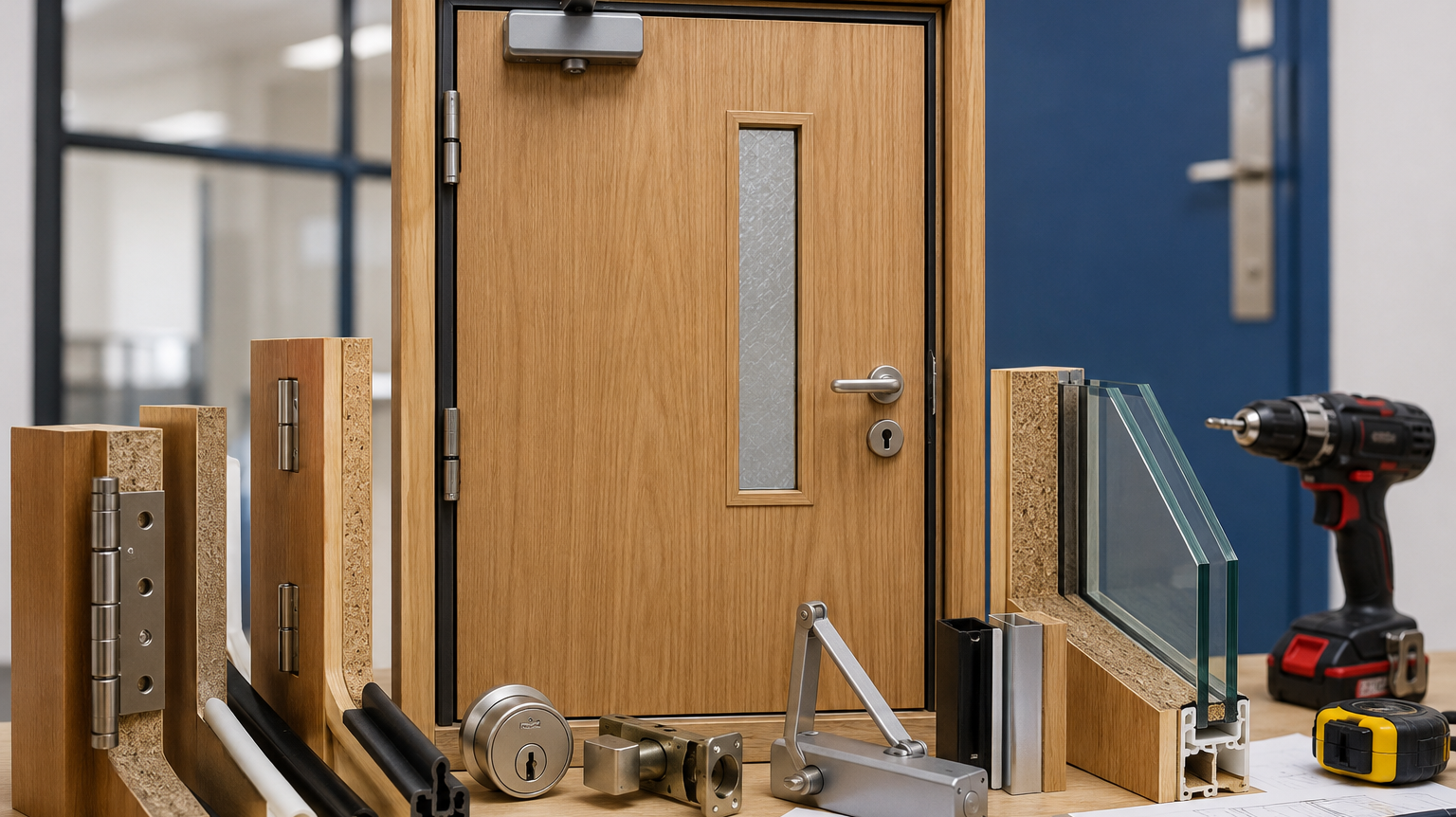
Why Fire Door Certification Can Be Lost After Installation (Without Anyone Realising)
A certified fire door can lose its compliance after installation. Discover the common mistakes that affect fire performance and how to avoid them.

The 7 Most Common Fire Door Compliance Mistakes We See in UK Buildings
A fire door is only compliant if every part of it works as intended. In this guide, we break down 7 of the most common fire door compliance mistakes seen in UK buildings, from missing seals and excessive gaps to poor maintenance, unauthorised alterations and failed self-closing devices.